Hope is not a strategy and vibes are not a voter file. Every winning campaign here is built the same way: identify, persuade, and turn out, with live agents, real doors, and data that compounds from the first knock to the last call.
Nominations are won through discipline and preparation, not assumptions. Membership recruitment, voter ID, and a nomination-day operation that gets every identified supporter to the meeting.
A two-phase structure built around the writ spending cap. The pre-writ phase runs through the constituency association and builds a data advantage no opponent starting on writ day can replicate.
Everything before the vote exists to feed the turnout operation: a minimum of ten meaningful touchpoints with every identified supporter before the day, and that volume of contact repeated on the day itself. Letters, door hangers, calls, texts, voice drops, canvassers, the candidate's own network — every channel, at once.
Your supporters show up in higher numbers than the opposition's. That is what winning looks like, mechanically.
No robocalls. No automated dialers. Real conversations with real voters, from local numbers, drive real results.
Every knock and every call feeds a database the campaign owns. By GOTV, the campaign knows exactly who to move and how.
Scripts, texts, literature, mail, and the candidate's own delivery — one message, kept consistent across every platform.
Identified supporters hear from the campaign at least ten times before the vote, and again on the day. Nobody gets forgotten.
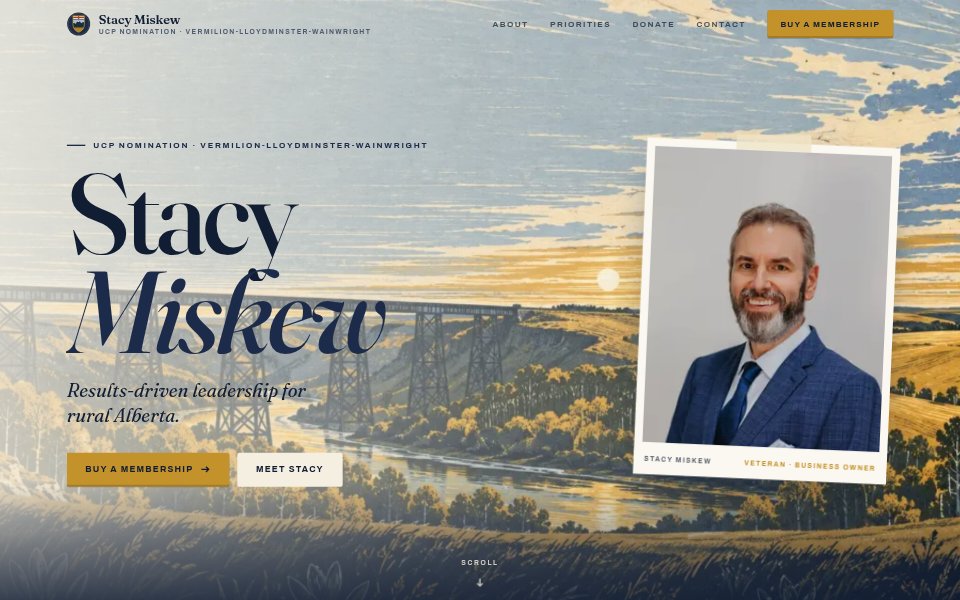
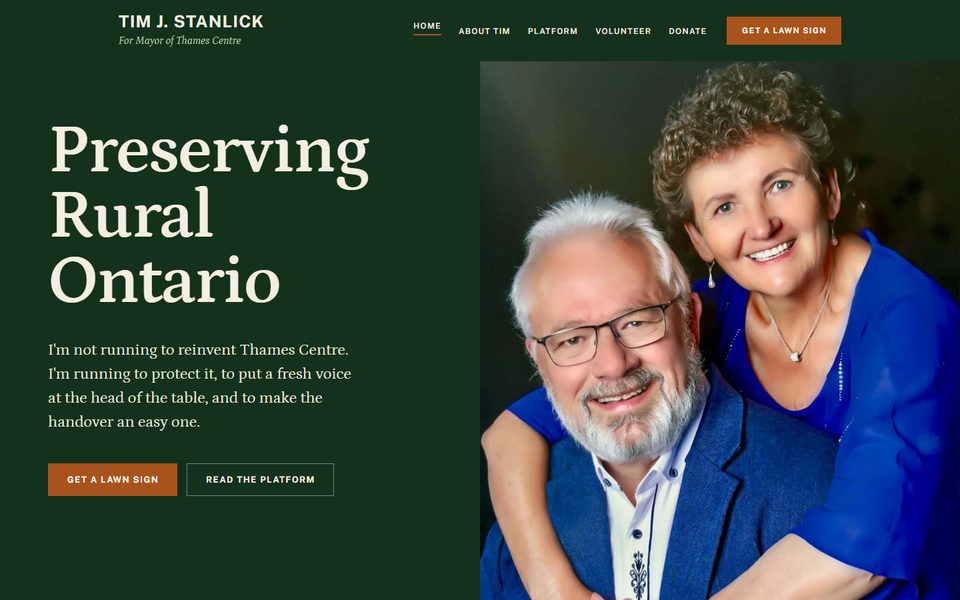
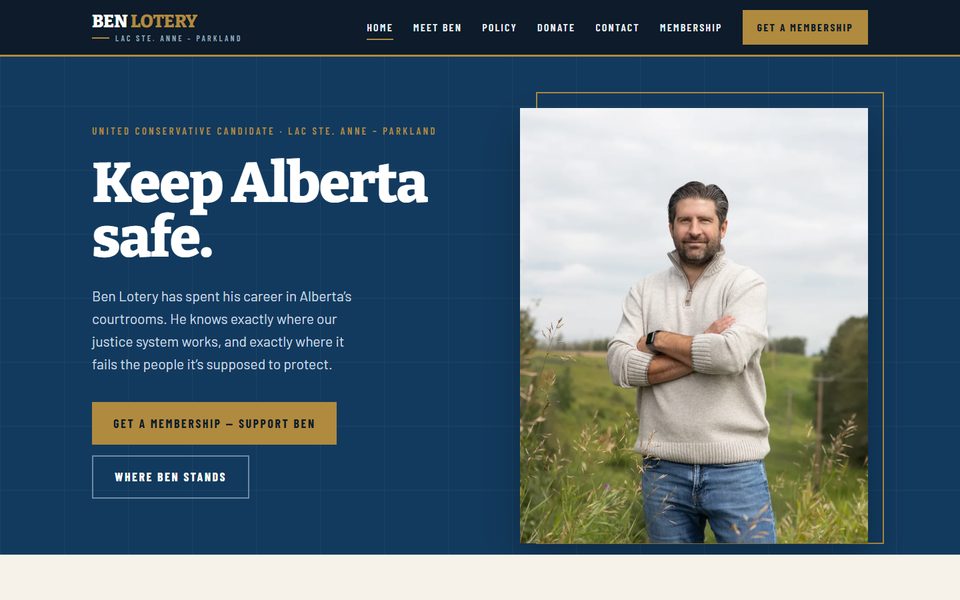
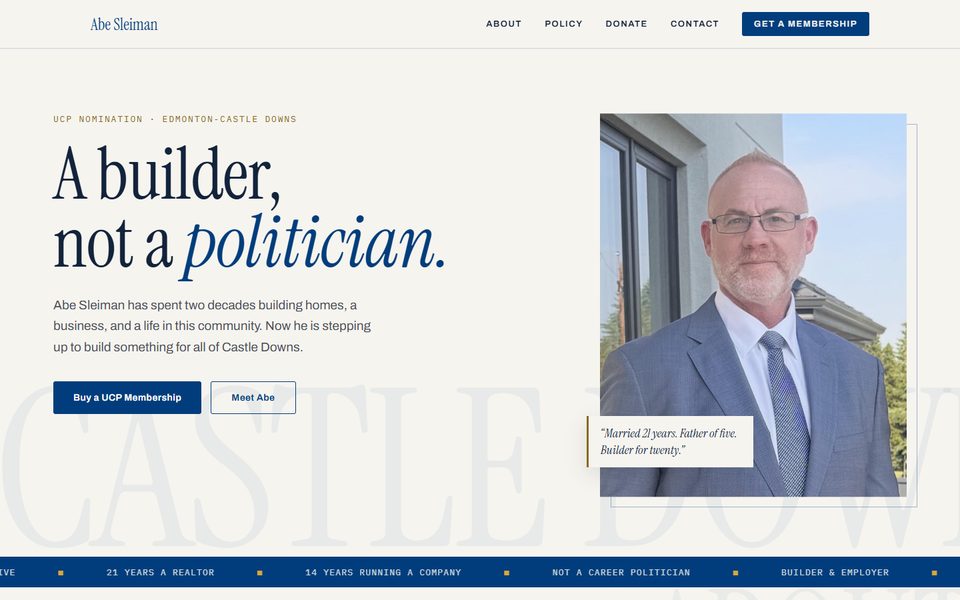
Most political websites are the same template with a different headshot. I know what makes a good political site and what makes a bad one, and yours will stand out. I design it myself. I made the site you're reading right now.
This is the shape of the engine used to structure real nomination budgets. Some things are never compromised: oversight, the database, and a quarter of every budget held for GOTV. The rest flexes toward the doors and the phones, because doors win nominations. The full line-by-line version lives inside your proposal.
No campaigns in a box. This shows the structure, not the strategy, and certainly not the line items. A real proposal is custom-built to your riding, your community, and your race. It arrives as a personalized interactive page like this one, with the full budget you can adjust yourself.
Request yours →One candidate per riding. No work for any competing candidate during the nomination or general election period. Your campaign gets full attention and complete loyalty.
The canvassing records, supporter lists, and voter ID your campaign builds are yours: paid for by your campaign, kept by you after it ends. Data brought to the table stays proprietary, and none of it is ever sold.
The nomination's voter data, volunteer network, and community relationships don't dissolve after the meeting. They become the general election's foundation, a head start no opponent can replicate.
Ask for a proposal and you won't get a ten-page attachment. You'll get a private link with your name, your riding, and your strategy, plus a budget you can adjust yourself, live. Move the total, toggle the add-ons, watch the plan rebalance. Then we talk about what the race actually needs.
Thinking about a nomination, preparing for a general, or already mid-race and needing structure: the sooner the conversation starts, the more the data advantage compounds. The form below goes straight to Cole.